
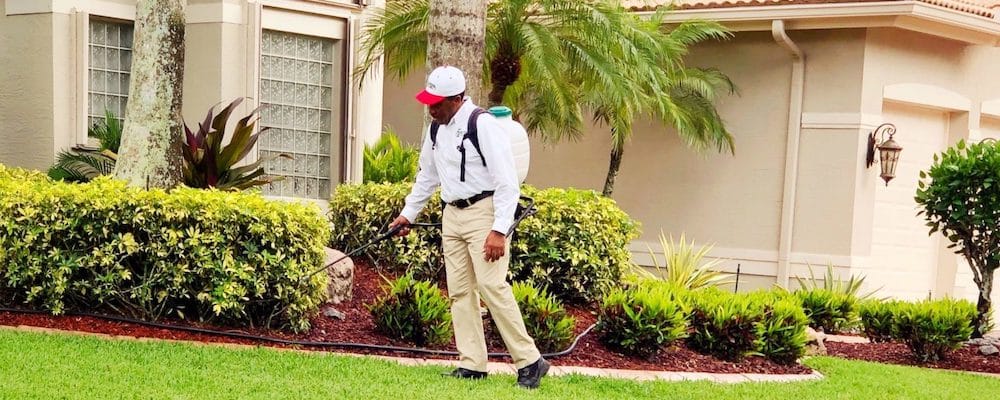
Living in Coral Springs has plenty of advantages, from Florida sunshine to beautiful residential neighborhoods, but the same warm environment that people enjoy can also create favorable conditions for unwanted pests. Cockroaches, ants, mosquitoes, rodents, termites, and other household pests can find food, water, shelter, and convenient entry points around a property. That means pest prevention shouldn’t only happen after you spot something crawling across the kitchen floor. A better strategy is to make your home less attractive and less accessible to pests in the first place. University of Florida IFAS Extension recommends treating pest management as part of regular home maintenance and emphasizes an integrated pest management approach that combines prevention, monitoring, maintenance, and professional treatment when necessary. For Coral Springs homeowners, that practical approach can make a meaningful difference. By addressing the conditions that attract pests while working with a professional pest control company in Coral Springs when needed, homeowners can build a stronger defense around their property rather than constantly reacting to infestations.
Why Pest Prevention Matters in Coral Springs
Florida’s Climate Creates Year-Round Pest Pressure
Pest problems in Florida aren’t necessarily limited to one short season. Warm conditions, moisture, landscaping, and abundant food sources can create opportunities for insects and rodents to remain active around homes for much of the year. UF/IFAS describes Florida as a state where residents will encounter pests and recommends considering pest management as part of an overall home maintenance plan. That doesn’t mean every Coral Springs property will develop an infestation, but it does mean homeowners benefit from paying attention to conditions that make a property more inviting to pests. A dripping outdoor faucet, overgrown shrub touching the house, gap beneath a door, pile of cardboard in the garage, or standing container of water may seem insignificant by itself. Put several of those conditions together, however, and you’ve essentially created a convenient pest habitat. Think of pest-proofing like maintaining a fence: you don’t wait until an animal is already inside before checking whether the gate works. You identify weak points early and address them before they become a larger problem.
Common Pests That Target Coral Springs Homes
Different pests are attracted to different conditions, which is why a one-size-fits-all approach isn’t always effective. Cockroaches may seek moisture, food, and protected hiding spaces, while ants can enter through remarkably small openings when searching for food or water. Mosquitoes need water for their life cycle, and rodents may take advantage of vegetation, structural openings, food, and sheltered areas around a property. Termites present a different concern because certain species can damage structures, making prevention and early detection especially important. UF/IFAS identifies termites, ants, mosquitoes, rodents, cockroaches, and bed bugs among the household and public-health pest concerns for which professional pest management may sometimes be appropriate. Understanding the pest you’re dealing with matters because the right prevention strategy depends on its behavior. Instead of treating every insect as if it were the same problem, homeowners can focus on eliminating the specific food, moisture, shelter, and entry conditions that allow each pest to establish itself.
Start With a Pest-Proof Exterior
Seal Cracks, Gaps, Doors, and Windows
One of the simplest ways to reduce pest entry is to inspect the outside of your home for openings. Look around doors, windows, utility penetrations, plumbing lines, vents, screens, and other areas where the building connects with the outdoors. UF/IFAS recommends sealing gaps around doors and windows and addressing openings around plumbing and electrical penetrations because these spaces can provide routes into the home. Pay particular attention to the bottom of exterior doors, where a small gap can provide an easy route for crawling insects. Damaged window screens and openings around vents deserve attention as well. The goal isn’t to make your house completely inaccessible to every living creature—that isn’t realistic—but to eliminate unnecessary entry points. During a routine inspection, walk around your property during daylight and look from inside and outside for visible gaps or places where light passes through. Those small details can reveal maintenance issues worth addressing before they become pest pathways.
Manage Landscaping Around Your Home
Your landscaping can either support your pest-prevention strategy or unintentionally work against it. Trees and shrubs that touch the roof or exterior walls can create physical pathways for pests, while dense vegetation can provide shade, moisture, and hiding places close to the structure. UF/IFAS recommends pruning branches away from the home and maintaining appropriate spacing around plants to make pest movement and harborages less favorable. This doesn’t mean you need to remove attractive landscaping from your property. Instead, think about creating a manageable separation between vegetation and the structure. Keep plants trimmed, remove accumulated leaves and debris, and avoid allowing dense growth to press directly against exterior walls. Pay attention to areas underneath decks, around garages, near air-conditioning equipment, and beside foundation walls. A well-maintained landscape can make it easier to see pest activity and identify structural problems early. It also gives professionals a clearer area to inspect when preventative pest service is performed.
Control Moisture and Standing Water
Fix Leaks and Redirect Irrigation
Water is one of the most important factors to consider when pest-proofing a Florida home. A small plumbing leak, constantly damp area beside the foundation, or irrigation system spraying directly against exterior walls can create conditions that encourage pest activity. UF/IFAS specifically recommends directing irrigation away from the home’s walls and ensuring water from systems such as air-conditioning drainage moves away from the structure. Walk around your property after irrigation or rainfall and look for areas that stay noticeably wet. Check under sinks, around outdoor faucets, near AC equipment, and around gutters and downspouts. If water repeatedly collects beside the home, correcting the underlying drainage issue may be more useful than simply treating the pests attracted to that moisture. Moisture management is particularly valuable because it addresses the environmental condition rather than only the insects you happen to see. In other words, don’t just remove the guests—take away the reason they keep showing up.
Eliminate Mosquito Breeding Areas
Mosquito prevention requires special attention because even small amounts of standing water can become relevant. UF/IFAS recommends source reduction around homes, including eliminating water-holding containers and regularly addressing water in items such as plant trays, birdbaths, toys, and other outdoor objects. After rain, take a few minutes to inspect the yard for containers or objects holding water. Empty what can be emptied, improve drainage where appropriate, and keep outdoor areas from becoming collections of forgotten water-holding items. Don’t overlook less obvious locations, such as clogged drainage areas or objects that collect rainwater. Screening, sanitation, and source reduction can complement professional mosquito-management services. If mosquito activity remains high despite reasonable prevention efforts, professional assessment can help determine whether additional control measures are appropriate. A good pest control Coral Springs program should consider the conditions around the property rather than focusing only on the mosquitoes that homeowners notice.
Remove Food Sources and Indoor Hiding Places
Store Food and Pet Food Properly
Pests don’t need a full meal sitting on the kitchen counter to become interested in your home. Crumbs, grease, food residue, overflowing trash, and accessible pet food can provide attractive resources for ants and cockroaches. UF/IFAS recommends keeping food and pet food in sealed containers and regularly cleaning surfaces and appliances where food residue can accumulate. Make a habit of wiping counters after meals, cleaning under appliances when practical, and not leaving pet food available longer than necessary. Trash should also be managed consistently, especially when it contains food waste. These habits aren’t about maintaining a perfectly spotless house; they’re about reducing easy food sources that can support pest activity. If you already have an infestation, sanitation alone may not solve the problem, but it can make professional treatment more effective by removing some of the conditions that help pests survive. Prevention works best when household habits and professional pest management support one another.
Reduce Clutter and Cardboard
Clutter creates more than an organizational headache—it can provide shelter for pests. Cardboard boxes, newspapers, bags, unused materials, and piles of stored items can create dark, protected spaces where insects may hide. UF/IFAS specifically recommends removing unnecessary cardboard boxes and reducing indoor hiding places as part of household pest management. This is particularly useful in garages, storage rooms, utility areas, and closets where items may remain undisturbed for long periods. If you move into a new home or receive deliveries, break down unnecessary cardboard rather than allowing it to accumulate. Keep stored belongings organized so you can inspect around them easily. A cleaner storage area also makes professional inspections more productive because technicians can see potential harborage areas and entry points more clearly. You don’t have to adopt a minimalist lifestyle; simply avoid creating large, undisturbed piles where pests can disappear from view.
Protect Your Home From Common Florida Pests
Cockroach Prevention
Cockroaches are among the pests homeowners understandably want to prevent before they become established. UF/IFAS recommends an integrated approach that combines exclusion, sanitation, elimination of food and water sources, and reduction of harborage. That means a homeowner shouldn’t necessarily expect one spray to solve every cockroach problem. Sealing cracks, repairing screens, reducing clutter, keeping food contained, managing moisture, and maintaining the exterior can all contribute to better control. Outdoor cockroaches may also take shelter in leaf litter, mulch, vegetation, and other protected areas around the property. If you begin seeing repeated cockroach activity indoors, especially in kitchens, bathrooms, garages, or other areas, professional assessment can help identify where the insects are entering or establishing themselves. A qualified exterminator Coral Springs homeowners trust can then recommend an appropriate treatment strategy based on the species and conditions found.
Ant and Rodent Prevention
Ants can take advantage of surprisingly small openings, while rodents may use vegetation, structural gaps, and accessible food sources to get close to a home. UF/IFAS notes that sealing cracks and holes can help prevent many ant invasions and recommends keeping vegetation properly trimmed around the structure. For rodents, tree limbs touching a roof can act as access routes, making landscape maintenance an important part of exclusion. Homeowners should also pay attention to food storage and outdoor conditions that could attract wildlife. Don’t ignore unusual scratching sounds, droppings, gnaw marks, or repeated sightings. Early investigation can be much easier than waiting until an animal has established a nesting area. When evidence suggests a persistent problem, professional pest management can help determine where the activity originates and what changes may reduce the chance of recurrence.
Don’t Overlook Termite Prevention
Reduce Wood-to-Ground Contact
Termite prevention deserves its own place in your home-maintenance checklist because some termites can cause significant structural damage. UF/IFAS recommends reducing conditions that provide termites with moisture, food, and concealed access, including eliminating wood-to-ground contact and keeping wooden debris away from structures. Firewood, discarded lumber, branches, and other wood materials shouldn’t be stored directly against the home. Homeowners should also pay attention to decks, fences, landscaping materials, and other structures where wood may come into contact with soil. The goal isn’t to guarantee that termites will never approach your property—that isn’t realistic in Florida—but to make the structure less conducive to infestation and easier to inspect. Termite prevention is one area where professional monitoring can be particularly useful. If you notice suspected termite activity, identifying the insect correctly matters because termites and ants can sometimes be confused, and their management approaches differ.
Keep Foundation Areas Accessible for Inspection
A home’s foundation area should not disappear beneath thick vegetation, deep mulch, stacked materials, or other obstructions. Keeping this zone accessible allows homeowners and pest professionals to spot potential evidence of termite activity and other pest problems earlier. UF/IFAS recommends maintaining inspection space and avoiding conditions that make the foundation difficult to monitor. Landscaping should enhance your property without creating a hidden corridor directly against the structure. If mulch is used, follow appropriate recommendations regarding depth and distance from the foundation rather than allowing it to build up against the building. Regularly inspect the exterior for mud tubes, damaged wood, moisture problems, or unusual insect activity. A professional inspection can provide another layer of protection, particularly for homeowners who want a structured approach to termite prevention and monitoring.
When DIY Pest Prevention Isn’t Enough
Home maintenance can significantly reduce opportunities for pests, but prevention doesn’t guarantee that an infestation won’t happen. Pests are persistent, and Florida homes can face continuous pressure from insects and rodents in the surrounding environment. If you repeatedly see pests indoors, discover evidence of nesting, notice unusual damage, or continue dealing with the same problem despite correcting obvious conditions, it may be time to involve a professional. UF/IFAS recommends considering professional pest control for pests including rodents, mosquitoes, bed bugs, cockroaches, and ants, while termite and wood-destroying-organism concerns are particularly suited to professional pest management services. Professional service should be more than simply applying a product. A good pest-management process should involve identifying the pest, understanding how it is getting inside, identifying favorable conditions, and recommending measures that reduce future activity. This integrated approach can be more useful than repeatedly treating visible pests without addressing the underlying cause.
How Gregory’s Pest Control Can Help
For homeowners who want professional support with ongoing prevention, Gregory’s Pest Control can be part of a broader property-maintenance strategy. The purpose of preventative pest service isn’t simply to wait until a homeowner sees a problem and then react. It can involve regular inspections, identifying conditions that could encourage pest activity, addressing common entry and harborage areas, and developing a treatment approach appropriate for the property. That philosophy aligns with the broader integrated pest management principles recommended by UF/IFAS, which emphasize prevention, monitoring, maintenance, and professional intervention when appropriate. Gregory’s serves homeowners throughout South Florida, where keeping an eye on exterior conditions can be particularly important. Whether the concern involves cockroaches, ants, mosquitoes, rodents, or other common household pests, the objective should be long-term management rather than simply reacting to isolated sightings. Working with an experienced local pest-control professional can also help homeowners understand which maintenance changes are most relevant to their particular property.
Building a Long-Term Pest Prevention Plan
The strongest pest-prevention strategy is one you can actually maintain. Start with the basics: inspect exterior openings, manage moisture, keep food properly stored, reduce clutter, maintain landscaping, remove standing water, and monitor areas where pests commonly enter or hide. Then consider whether your property would benefit from scheduled professional pest management. UF/IFAS advises homeowners to think about pest control as part of regular home maintenance and notes that preventative monitoring may sometimes be preferable to waiting until an infestation requires more frequent treatment. A recurring service plan can give homeowners another set of trained eyes looking for developing problems while providing an opportunity to address conditions before they become more serious. The exact frequency and services should depend on the property, pest pressure, and recommendations of a qualified professional rather than assuming every home requires the same schedule. With consistent maintenance and professional support when appropriate, pest prevention becomes less of an emergency response and more like changing an air filter or maintaining your HVAC system—a routine part of taking care of your home.
Conclusion: Make Pest Prevention Part of Home Maintenance
A pest-free home doesn’t happen by accident, especially in a Florida environment where insects and other pests can remain active for much of the year. The good news is that homeowners have many practical ways to make their properties less attractive and less accessible to unwanted visitors. Sealing entry points, controlling moisture, removing standing water, maintaining landscaping, storing food correctly, reducing clutter, and monitoring the foundation can all contribute to a stronger defense. When those measures aren’t enough, professional help can provide the inspection, identification, monitoring, and treatment that homeowners may not be able to handle alone. If you’re looking for the best pest control Coral Springs homeowners can rely on, focus on a provider that takes prevention seriously rather than simply treating what you can see. Gregory’s Pest Control can help Coral Springs homeowners take a more proactive approach to protecting their homes, combining professional pest-management services with practical prevention strategies. After all, the best time to think about pest control isn’t always after you find a pest—it’s before that pest has a chance to make itself comfortable.
FAQs About Pest-Proofing a Coral Springs Home
1. What attracts pests to Coral Springs homes?
Common attractants include accessible food, moisture, standing water, clutter, vegetation close to the structure, and openings that allow pests to enter. Different pests respond to different conditions, so identifying the specific pest is important.
2. How can I keep cockroaches out of my Coral Springs home?
Focus on sealing cracks and gaps, keeping food stored securely, cleaning food residue, reducing clutter and cardboard, controlling moisture, and maintaining the exterior landscape. If cockroach activity continues, a professional inspection can help identify hidden entry points and harborage areas.
3. Does landscaping affect pest problems?
Yes. Overgrown vegetation, branches touching the house, dense plantings, and excessive moisture near the structure can provide shelter or pathways for pests. UF/IFAS recommends maintaining appropriate spacing and trimming vegetation away from the home.
4. Should pest control be preventative or only used after an infestation?
Preventative pest management can be useful because it allows homeowners to address pest-conducive conditions and monitor for activity before a problem becomes more established. UF/IFAS specifically recommends considering pest management as part of regular home maintenance.
5. When should I call a professional exterminator in Coral Springs?
Consider professional help when you repeatedly see pests, discover signs of nesting or structural damage, cannot identify the pest, or continue experiencing activity despite reasonable prevention efforts. A qualified exterminator in Coral Springs can inspect the property and recommend a treatment and prevention strategy based on the specific situation.

Paul Gregory
Owner/President of Gregory’s Pest Control
I’m a 2nd generation pest control owner who started working for my father in 1999. I was raised in South Florida and feel blessed to call it home for my entire adult life. As a long-term Florida resident, I recognize the challenges of controlling the many different pests that thrive in our subtropical climate. In particular, I understand how difficult it can be to prevent pests from invading our homes and businesses. By helping families solve their pest problems so they can live safer, more comfortable lives, I feel I am also meeting my family’s commitment to help our community. When I’m not out fighting pests, you can find me on the golf course or out on a soccer field where I have been fortunate enough to coach soccer to kids of all ages for the past 20 years.


